Trending · Fact Check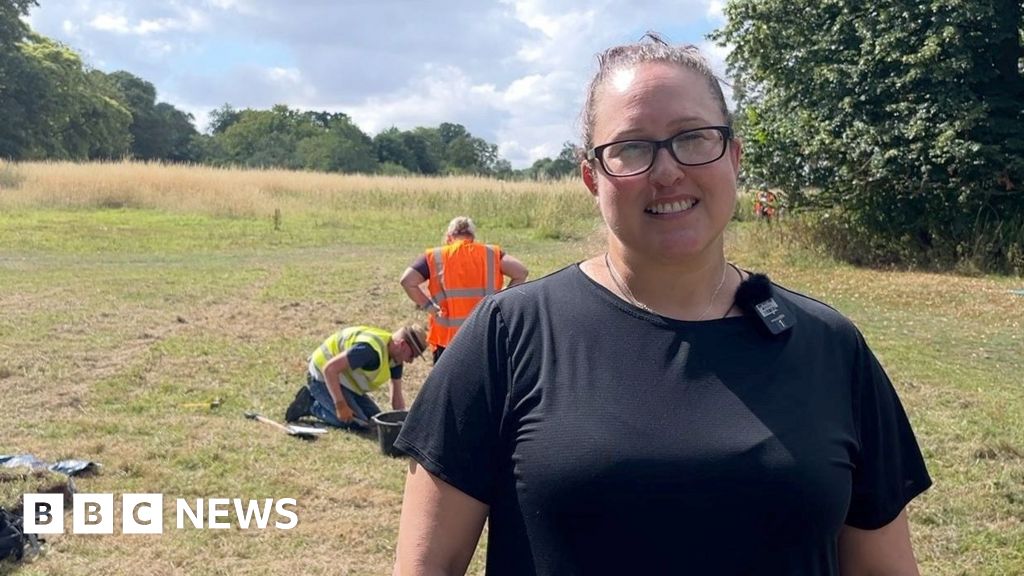
2 hours ago Amber Macey BBC Samantha Tipper during investigations at the site in 2025 It has long been thought of as one of the most feared diseases in the medieval world. Leprosy was capable of inspiring religious debate and, for those who bore its symptoms, reshaping their place in society. But an archaeological project in Lincoln is presenting a more complex picture of how this misunderstood condition was treated and patients were perceived.
Next month, a dig will begin to uncover the Hospital of the Holy Innocents, which was founded in about the year 1100 to offer care and shelter to those living with the disease. "We have this idea that individuals with leprosy were ostracised or shunned, that's a very Victorian view," says Samantha Tipper, a senior lecturer in forensic science at Anglian Ruskin University. "Actually, places like this may have been nice religious communities and a lovely place to live... apart from the leprosy." AFP via Getty Images A 15th Century Italian image of Franciscan monks treating people with leprosy The hospital is thought to have been in use for five centuries, though there are no visible remains today.
Tipper says archaeologists will now seek to open larger trenches. They hope to find evidence of the buildings themselves, as researchers say English leprosarias rarely followed a standard design. "We want to go back and look at those walls and open up a trench where they were found," Tipper explains.
City of Lincoln Council The hospital was included on maps of South Common into the 19th Century Leprosy is a chronic infectious disease, attacking the skin, nerves and mucous membranes. This eventually leads to white patches, numbness, muscular weakness and paralysis. In spite of significant advancements to contain the disease , up to three million people worldwide still live with leprosy and on average, 200,000 new cases are detected every year, according to figures by the World Health Organisation.
During the Middle Ages, hospitals known as leprosaria were established to care for people with leprosy amid concerns about the spread of the condition. Historians believe the Lincoln hospital may have been established during the reign of Henry I, making it one of the earliest of its kind. It is thought to have housed about 20 residents, with accommodation for 10 men and 10 women.
AFP via Getty Images Some relics of leper hospitals survive today, including the ruins of the 12th Century Dunwich Leper Chapel, in Suffolk Tipper says research suggests the hospital may have been far wealthier than previously assumed. "It was actually quite a wealthy place, a lovely religious community. "It was almost a privilege if you got in.
You had your own cell, plenty of fresh vegetables and meat. "It would have been a calm and peaceful way of life, which is quite different from how people tend to imagine those living with leprosy in medieval England." She hopes the excavation will help connect local people with an important aspect of Lincoln's past. "Getting people involved in history and heritage helps build pride in the community.
"It's incredible how many people are unaware the hospital used to be here. "We only got a glimpse of what might lie beneath the ground during last year's work, so being able to return and explore the site in more detail will be amazing." AFP via Getty Images A 13th Century illustration of a leper hospital Archaeologists will begin their dig on Friday as part of a three-year project led by Anglia Ruskin University and City of Lincoln Council. Funded with a grant of £248,000 from the National Lottery Heritage Fund, it will involve volunteers, community groups and school excavations, alongside history talks and heritage activities.
Councillor Rebecca Longbottom, portfolio holder for remarkable place at City of Lincoln Council, said the works would help to "uncover an important chapter of Lincoln's past". More on this story Related internet links
Source: BBC